IT’S THE 17TH, WEREN’T YOU GETTING MARRIED ON THE 19TH?
There are mistakes in a wedding business that can be fixed the next day:
- An invoice that didn’t get sent;
- An email that went unanswered;
- An administrative task that slipped to the bottom of the list.
But there are other mistakes that simply cannot happen, because the moment cannot be repeated.
The couple is waiting, the guests are waiting, and the ceremony is about to begin.
That is exactly what happened at a wedding in September 2026.
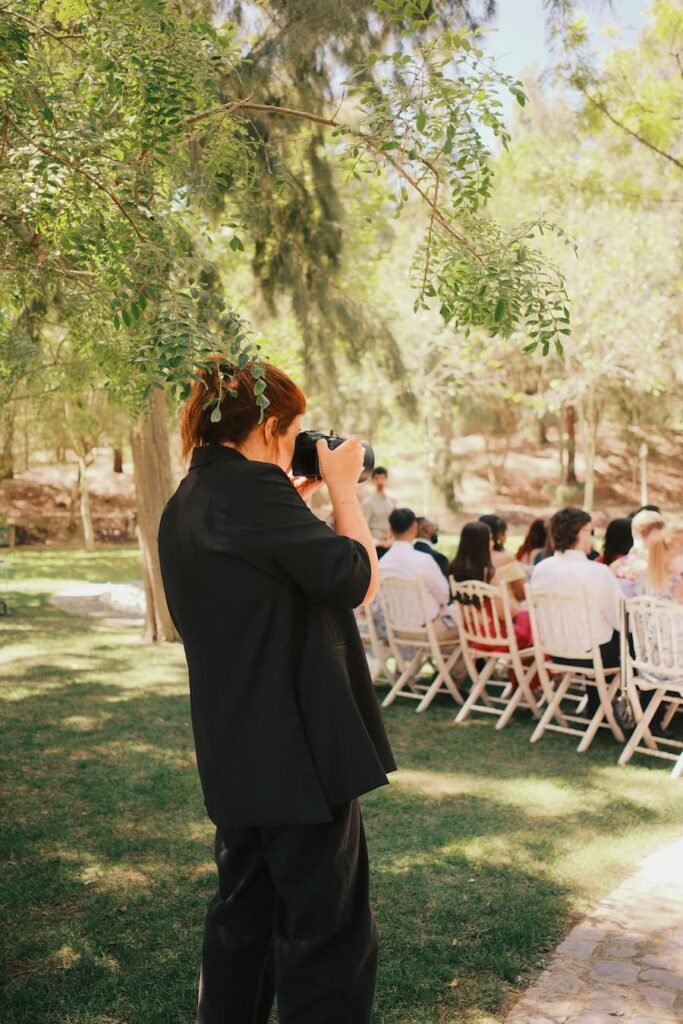
Shortly before the ceremony was due to start, the celebrant noticed that the photographer wasn’t there and asked the couple where she was.
It was at that exact moment that they both realised: There was no photographer.
The photographer they had hired had the wrong date in her calendar. She thought the wedding was on September 19th, the wedding was on September 17th.
The ceremony went ahead as planned, but with one important difference: the bride was in tears after realising that she would not have professional photographs of a part of the day she had spent months planning, a moment she simply could not recreate.
Some of the guests captured what they could on their phones, the celebrant helped too, taking several photos so that the couple would at least have some memories of that moment, but it isn’t the same.
WHEN A WRONG DATE BECOMES MORE THAN JUST A WRONG DATE
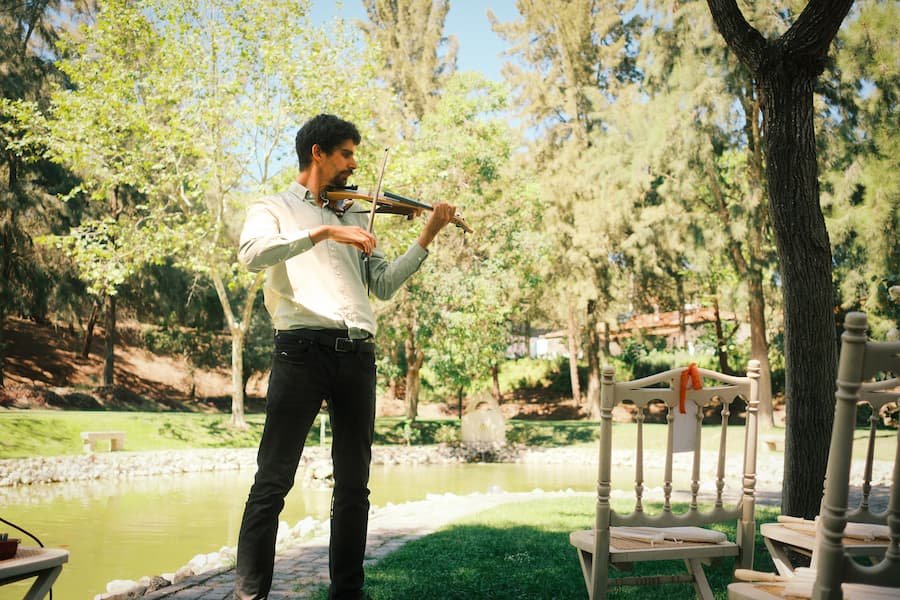
At another wedding, the ceremony was about to begin when the celebrant asked where the person responsible for the sound was, she needed her microphone.
The musician who had been hired to play during the ceremony was nowhere to be seen.
He, too, had mixed up the date and didn’t realise the wedding was taking place that day.
Fortunately, the couple had hired other musicians to perform later in the reception area, and they were already at the venue. They were incredibly helpful and willing to step in.
Things were organised as “quickly” as possible. Some of the equipment had to be moved, the music had to be coordinated at the last minute, and several details had to be reorganised on the spot.
It was all improvised.
And it worked incredibly well, the musicians were brilliant.
But it is worth explaining what “quickly” actually meant. The ceremony started one hour late.
Because no matter how willing people are to help, these things take time.
The truth is that everything worked out in the end, but it might not have.
And perhaps that is the most important part of this story.
The fact that a problem was solved does not mean the process that came before it worked.
The problem isn’t always a lack of professionalism
When situations like these happen, it is easy to reduce them to one simple conclusion: someone forgot.
But anyone who works in the wedding industry knows just how intense peak wedding season can be.
A photographer may have dozens of weddings in their calendar. A musician may perform at several events in the same weekend. A wedding venue may be managing couples, suppliers, teams, payments, site visits, schedules and last-minute changes all at once.
The greater the volume of work becomes, the less safe it is to rely solely on memory, a WhatsApp message sent months ago or a date written in a calendar.
Not because these people aren’t good professionals, but because memory is not a management system.
A wedding needs more than a date in the calendar
When a service is booked several months, or even more than a year in advance, confirming availability at the time of booking should not be the last operational contact before the wedding.
Good management creates several checkpoints throughout the process.
The date should be recorded in a central system, not just buried in a conversation.
The service booked, schedule, venue, relevant contacts and technical requirements should all be connected to the event. Important changes need to be recorded. And as the wedding approaches, there should be an active confirmation process with the professionals involved.
It isn’t enough to assume everything is fine because nobody has said otherwise.
Confirming before the wedding doesn’t mean you don’t trust your suppliers
This distinction matters.
A confirmation process doesn’t exist because we expect someone to forget.
It exists because a well-organised business does not depend on nobody ever forgetting.
People make mistakes.
Dates get mixed up. Emails go unread. Messages disappear amongst dozens of other conversations. Information gets recorded in the wrong place. One team member assumes another has already confirmed something.
Processes exist precisely to create another opportunity to catch those mistakes before they reach the client.
A simple confirmation a few days before the wedding can prevent you from discovering, minutes before the ceremony, that one of the essential professionals is missing.
WHAT SHOULD BE CONFIRMED BEFORE A WEDDING? 
The process will look different for a wedding venue, wedding planner, celebrant, photographer, musician or any other wedding professional.
But some information should be absolutely clear and confirmed before the event:
- date and time;
- venue and arrival point;
- expected arrival time for each professional;
- relevant contacts for the day;
- service booked;
- technical and logistical requirements;
- changes agreed with the couple;
- outstanding payments or documentation;
- person responsible for each key moment or task;
- final confirmation from the main suppliers.
Ideally, this information should not be scattered across emails, WhatsApp conversations, personal notes and someone’s memory.
There should be one place where you can quickly understand:
What is happening, when, where, with whom and what still needs to be confirmed.
The bigger the business becomes, the less it can depend on memory
There is a stage in many wedding businesses when knowing every client, remembering every date and mentally keeping track of everything that still needs to be done seems perfectly manageable.
Until it isn’t.
More clients mean more dates, more suppliers, more messages, more changes and more opportunities for something to go wrong.
And it is precisely at this stage that seemingly simple processes: a centralised calendar, checklists, clearly assigned responsibilities, pre-event confirmations and organised information, stop being merely about productivity.
They become part of the client experience.
Because couples don’t see your internal calendar.
They don’t see your checklist.
They don’t see your follow-up system.
They see the result.
The photographer is there.
The musician knows what time to arrive.
The microphone is ready.
The ceremony starts when it is supposed to.
And nobody has to discover, minutes before walking down the aisle, that someone had a different date in their calendar.
THE BEST MANAGEMENT IS THE MANAGEMENT YOUR CLIENT NEVER HAS TO SEE
In both of these situations, people found solutions, there was improvisation, quick thinking and a genuine willingness from other professionals to help.
That is also part of working in events: knowing how to respond when something doesn’t go according to plan.
But good operations shouldn’t be measured only by how well you put out fires.
They should be measured, above all, by how many fires never get the chance to start.




At Nature Stay Studio, we help wedding businesses organise their processes, client management, team coordination and day-to-day operations, so that less information depends on memory and more things happen when they are supposed to.
Because in a wedding, there are moments that simply cannot be postponed until tomorrow and cannot be fixed with an apolog